


If you’re interested in doing some gentle dredging, I have one weekly or two fortnightly therapy spaces left. Read more about how I practice here and contact me for more information.
“Oh, you don’t want to go digging around...”
This is what my mum said to me, decades ago, when I told her I was going to take a course in counselling. I remember her tone as if it was yesterday. Leave yourself alone! Let all that dysfunction rest in the depths, where it doesn’t bother you (or me)!
Is it always sensible to go digging around? What about overwhelm? When should we dig, and when should we rest? What tools might we use for the job? Welcome to our first of my five pond practices - dredging.
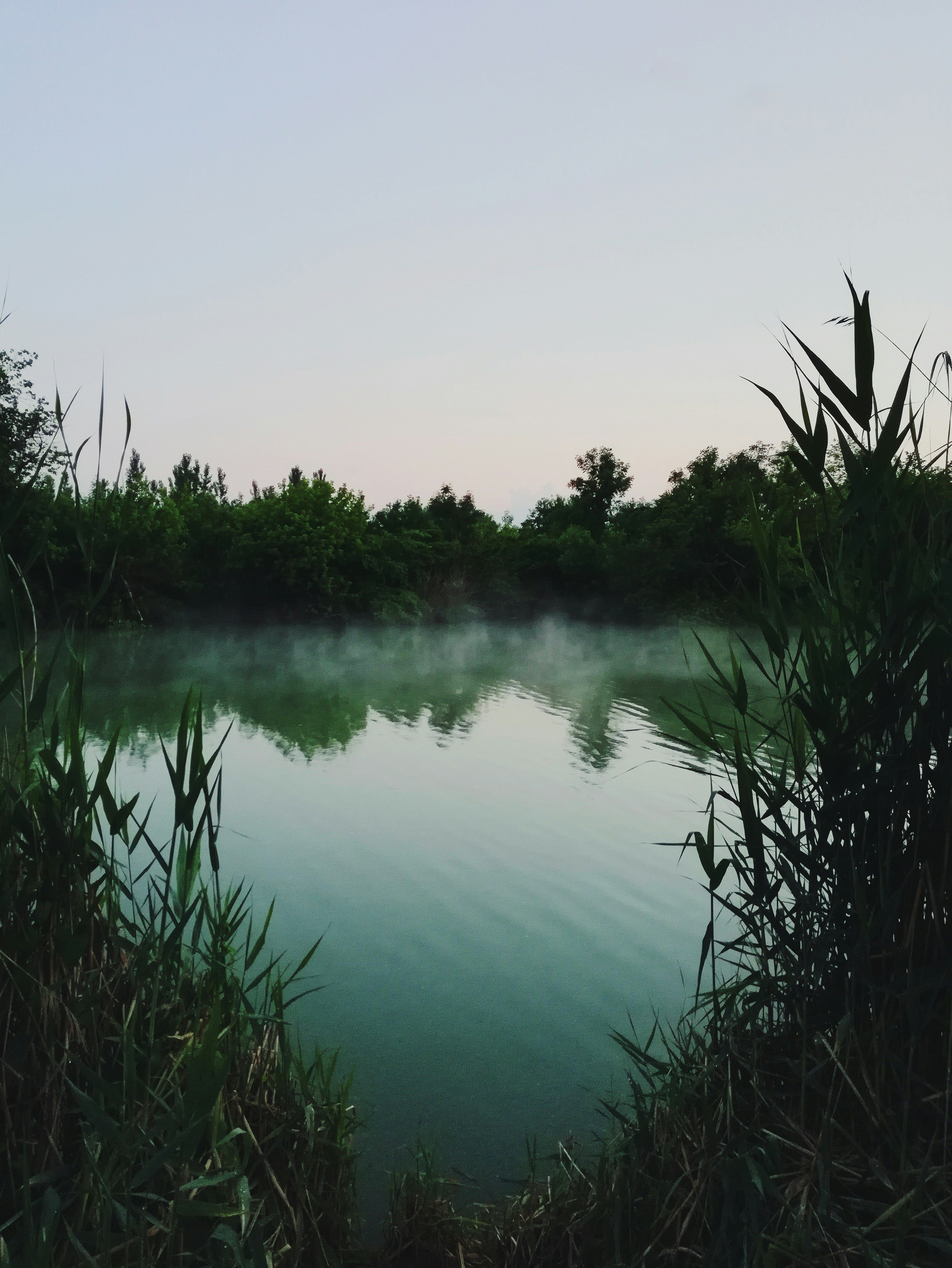
The Cambridge dictionary defines dredging as “…to remove unwanted things from the bottom of a river, lake, etc. using a boat or special device: They have to dredge the canal regularly to keep it open.”
Silt, rubbish, weeds - all of these things can build up over time and sink to the bottom of water where they start to rot, producing poisonous bubbles of gas. In a similar way we all hold a myriad of traumas, from mild to extremely intense. In my experience, this trauma gets ‘stuck’ in us because we don’t have the resources to process whatever has happened at the time, and so our systems quite appropriately tuck our experiences away where they won’t bother us too much. This unprocessed stuff gets surrounded by protection (i.e. if our maths teacher shamed us, we might just totally avoid maths when we leave school) and we are able to get on with our lives.
No wonder my mum didn’t think it was a good idea to go poking around. She has her own stores of trauma, and my guess is that she hasn’t had many or any good experiences of allowing them to bubble up in a safe way so she could experience them and heal them.
We can become afraid of what’s lurking down there. When we ignore our trauma, sometimes it bursts out and shouts for our attention in a way that is overwhelming to us. We can also have bad experiences of our trauma being poked and prodded at - by difficulties in our relationships, by work, by illness etc - and this can also release the gas bubbles in an uncontained and frightening way.
The ideal dredging happens in our time, with our own dredging equipment, and ideally with an experienced companion. It happens with the full permission of our self-protective parts, not despite them.
This permission is crucial to the IFS way of working, and it has revolutionised the way I see and facilitate healing. If any part of us has any doubts or worries about anything we’re about to do we pause, fully address that part’s concerns, and only proceed with its blessing.
I am thinking about how I dip my net into our pond - slowly, giving the fish time to get out of the way. How I slide it very gently into the mud at the bottom, and drag the gunk up - gently, gently, bringing it up to the air and then adding it with thanks to our compost pile. This is dredging at its best and it leaves us feeling not exhausted, triggered or sore but lighter, joyful, sparkling clear.
I’ll answer a few questions below and I would also love to hear your questions or comments which I can answer below and then add to the book I’m writing to accompany these pieces. You know where to put them.

What tools can we use for dredging?
I am biased but I do think that Internal Families System therapy is one of the gentlest and most powerful tools around. Of course individual therapists are more or less skilled, and will be more or less a fit for you, so do trust your gut. There’s also a huge variety of ways to get to the depths - movement, being creative, massage therapy, long cosy chats with trustworthy friends, spiritual or nature retreats, listening to your dreams, being with animals, etc. - anything that brings you into gentle contact with what has been hidden away.
When should we dredge and when should we wait?
If life is already feeling precarious in any way, then maybe leave the dredging for another day/month/year. That muddy stuff won’t be going anywhere and it can wait! When life is coming for you and you are feeling dysregulated, full of emotion, raw or close to overwhelm, focus on steadying practices instead. Rest, enjoy (even if you’re only able to find crumbs of joy), keep your water nicely filtered and try to eat well, sleep more etc. And do let your firefighter parts do their thing - at times like these I prescribe myself more chocolate and more TV.
How do I know what/when to dredge?
If you pay attention, you will be shown. I’m currently hearing about a particular kind of people-pleasing from various books and various people - the Universe is being very clear! Life will conspire to bring you back to whatever your priority is. You can also get more information about this by tuning into your body, getting curious about where you are expending energy, paying attention to times when you feel intense emotion and more.
What if I’m scared to go there?
Welcome the parts that are afraid and let them know that you won’t go anywhere unless they feel safe and okay. This is where it can be helpful to have a good therapist or friend alongside you, and to practice not-pushing - just love whatever is in front of you gently until it dissolves (this might take a long time and that’s okay).
What if dredging has been painful and too-much in the past?
I’m sorry to hear that, and it shouldn’t be that way. It may take some time for your system to rebuild trust in you, and to be reassured that you’re not going to force anything that doesn’t feel okay. Offer yourself lots of care and understanding in the meantime and give yourself as much space as you need.
What about overwhelm?
Overwhelm happens when parts of us burst through our self-protection, carrying their intense emotion - emotion that was too much for us at the time it was first experienced. This emotion then starts to become too much for other parts of us (it is only parts that experience overwhelm - Self never gets overwhelmed).
If you find yourself disassociating or distracting yourself, know that it’s your system looking after you. Welcome those parts and, if it feels okay, get to know them - what are they protecting you from? What might happen if they didn’t step in?
The first step is always to recognise the overwhelm. You can then say to the parts that are bursting through, ‘I see you, and I want to help, but you’re overwhelming parts of me and so I can’t listen. Can you step back a bit/dial down the intensity so I can listen to you better?’. Then, if it feels okay, listen to their message. They might need you to set a boundary or get out of a situation or get some rest or run away from some conflict - anything that reduces the intensity is good.
You might also want to keep an eye out for parts of you that push-and-shove you past your self-protection because they are desperate for you to heal. These parts will make overwhelm more likely. They have wonderful intentions, but let them know that they’re actually slowing things down whenever they push you.
Do we ever get to the bottom of the pond?
In my experience, no. I feel different/better/clearer whenever I have been through a period of dredging but, like a canal, new silt is drifting down all the time and new rubbish is getting thrown in. Some of our wounding (especially when we are very young) goes very deep, and can need ongoing or long-term dredging. I also have a sense of generations-worth of trauma down there in the depths somewhere! So we can relax - knowing that dredging will never be ‘done’ but that it always feels good to do.
Here’s to stinky mud - what a wonderful source of life it is.
Love, Satya <3

If you’re already a paid subscriber you’ll receive the rest of this month’s pieces and the video. Here are the pieces so far since we got started:
As a free subscriber you can still join us in the daily invitations and you will be MOST welcome.
My biggest challenge with doing this work has been finding Self. I'm getting to know the committees - the managers, the firefighters - so far no exiles, but I expect they will speak up one of these days. The firefighters and managers make their opinions known, but Self seems to be MIA. I do find the dredging useful - it's good to begin to see some of what is down there....
I remember asking one of my Dad’s sisters about their childhood once when I visited England as a young adult - trying to find out anything at all about my Dad’s family (years after he had died - we are in Australia- I suppose he felt we lived at a safe distance).
Her response was that life is like a book, and some chapters are best sealed shut and not looked at again.
Thanks to the internet, years later, what a hornet’s nest me and my curious cousins uncovered! But what a relief to piece together that puzzle of our genetic past.